
Home / Spreadsheet
Each find here is filed by kind and linked to the listing that supplied it
Sixteen shelves of Taobao, Weidian and 1688 products. Prices are the sellers' own figures in yuan, read on November 10, 2026.
Sixteen shelves, outerwear first
Sixteen shelves. Each card opens that shelf of the catalog with current listings and prices in yuan.
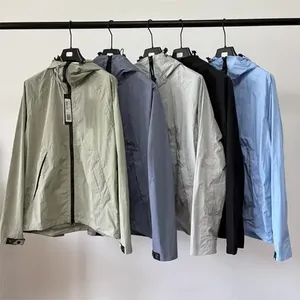 Coats and jacketsShells, quilted and wool layers. Look for a lining photo.Category
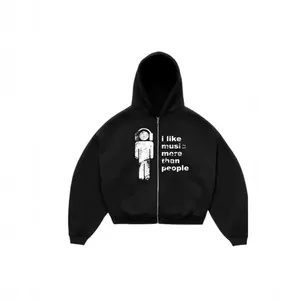 HoodiesFleece weight tells you more than the print does.Category
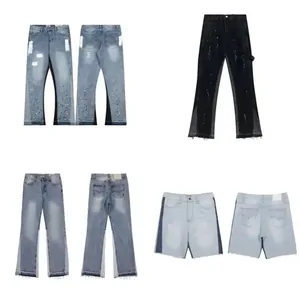 DenimWaist and inseam in centimeters; read the chart.Category
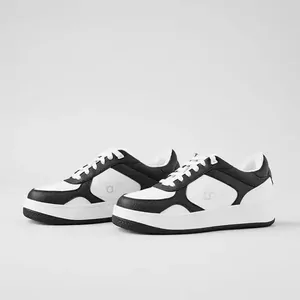 SneakersInsole length beats the size number.Category
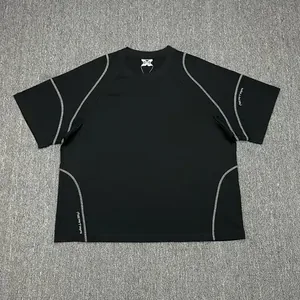 TeesFabric weight in grams, when the seller gives it.Category
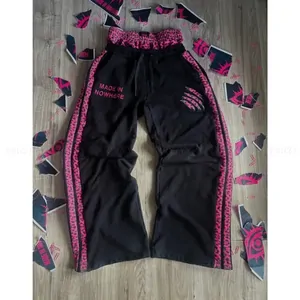 Joggers and track pantsCuffed or open hem, elastic or drawcord.Category
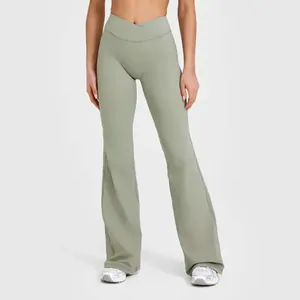 Women's picksA keyword search, not a shelf of its own: results mix many kinds.Search results
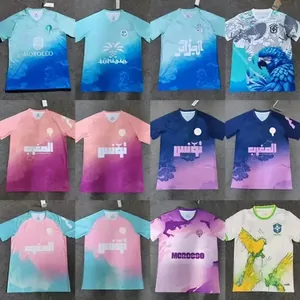 Sports jerseysFan and match versions sit differently on the body.Category
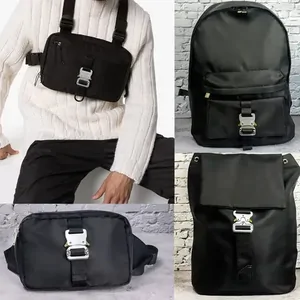 BagsStrap drop and inside pockets show in the photos.Category
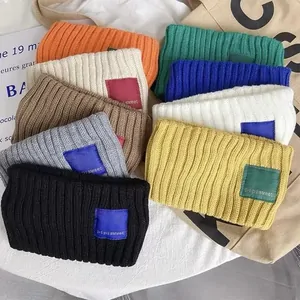 Caps and hatsHead circumference in centimeters, not S, M or L.Category
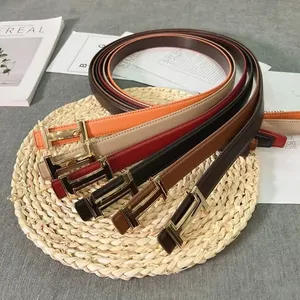 BeltsLength is counted from the buckle to your usual notch.Category
 Glasses and sunglassesCheck lens and bridge sizes, given in mm.Category
 FragranceLiquids need a shipping line that accepts them.Category
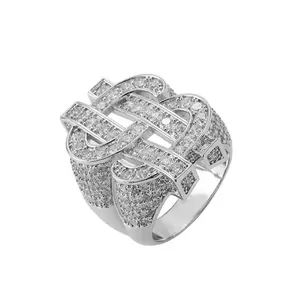 Rings, chains and pendantsPlating and base metal are listed separately.Category
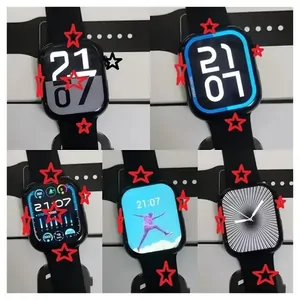 WatchesCase size and strap width; batteries have shipping rules.Category
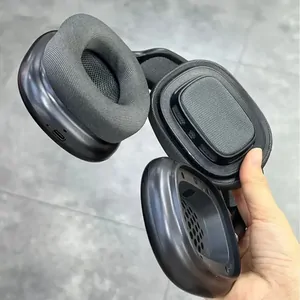 GadgetsBuilt-in batteries limit which lines will carry them.Category
The rules these shelves follow
A shopping spreadsheet, in the sense people use when they search for "Vivabuy Spreadsheet", is a catalog of products somebody has picked out of Chinese marketplaces and laid out so you can browse them by category. This one follows that idea. It holds products from Taobao, Weidian and 1688; each one becomes a card carrying a photo, a short title and the yuan price the seller set; and every card leads to a product page for that one listing.
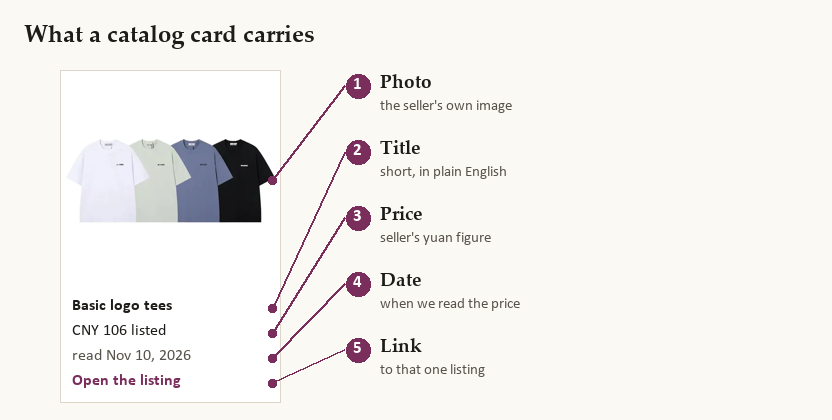
Three choices shape the shelves. First, prices stay in yuan, exactly as the seller lists them. We do not convert them into dollars, because the rate you end up paying is set by the agent you use, on the day you pay. Second, each price carries the date we read it; sellers change prices and pull listings without notice. Third, the catalog is not built around one agent. A card tells you what the item is and where it is listed. Choosing who buys it is a separate decision, covered on Picking an agent.
What the shelves leave out matters as much. There is no item count on this site, no "hand-picked by experts" badge and no claim about where a seller's goods are made. We cannot check any of that, so we do not print it.
Eight cards from the shelves, with yuan prices read November 10
A sample from different shelves, showing each card's lowest listed price as of our reading on November 10, 2026. Where a listing has several sizes or colors, sellers often list the cheapest variant first, so the price you see on the listing can rise once you pick yours.
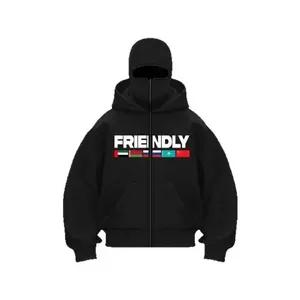 Black zip hoodie with a flag printCNY 73.80 listed, Hoodies shelf
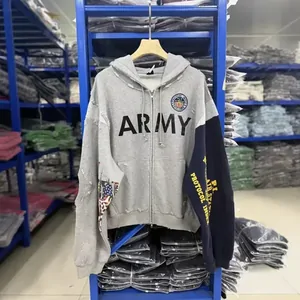 Grey ARMY zip hoodie with patchesCNY 215 listed, Hoodies shelf
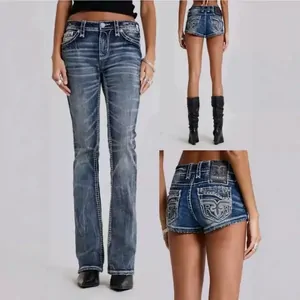 Bootcut jeans and denim shortsCNY 288.37 listed, Denim shelf
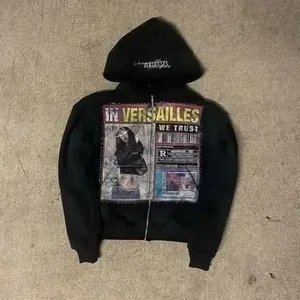 Black zip hoodie with a photo printCNY 77.80 listed, Hoodies shelf
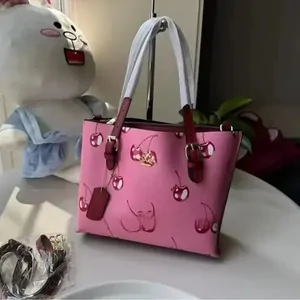 Pink cherry-print toteCNY 122 listed, Bags shelf
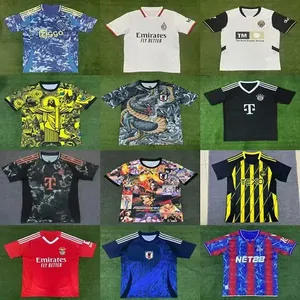 Football jerseys in a dozen club colorsCNY 72 listed, Sports jerseys shelf
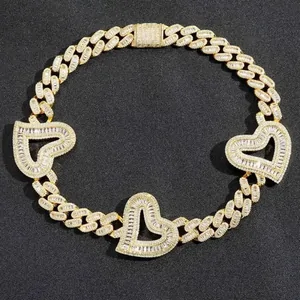 Gold heart chain necklaceCNY 658 listed, Rings, chains and pendants shelf
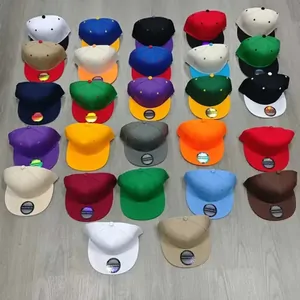 Snapback caps in many colorsCNY 35.69 listed, Caps and hats shelf
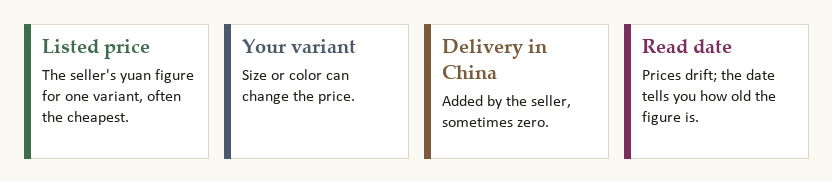
Treat the yuan figure as the seller's asking price for one variant, nothing more. It does not include delivery inside China, the agent's charges, international freight or anything your own country adds at the border. Costs and shipping goes through those lines one by one.
What happens between a card here and your mailbox
This is how to use this catalog together with an agent, written as stages rather than a checklist, because every agent arranges its screens a little differently.
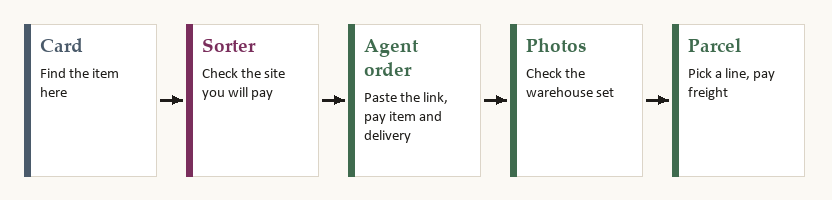
Choosing. Browse a shelf or search a product word, open the card and read the listing it leads to: photos, variants, the size chart if there is one. Copy the listing link.
Checking where you will pay. If you were about to order through a site because it uses the Vivabuy name, or any name you only know from a video, run it through the Storefront sorter first. If it comes out as anything other than a buying agent, it cannot buy that listing for you.
Ordering. At an operating agent, paste the listing link, pick the variant and settle the item price together with the seller's delivery charge to the warehouse. The agent places the order with the seller.
Waiting and looking. The seller ships to the warehouse. When it arrives, the agent photographs it. Compare those photos with the listing (Warehouse photos explains how) and ask for an exchange or return while the item is still in China.
Shipping. When everything you want has arrived, request a single parcel, pick the line that suits it and settle the freight. Import taxes, if your country charges them, come at the border.
Why prices on the cards stay in yuan
Taobao, Weidian and 1688 sellers price in Chinese yuan (CNY, also written RMB or ¥). Agents then charge you in your own currency at an exchange rate they set. Two agents can turn the same CNY 120 listing into slightly different dollar amounts on the same afternoon.
If we printed a dollar price, it would be wrong for most readers within days. Keeping the yuan figure and its date lets you do the conversion with the rate your agent actually shows you at checkout, which is the only rate that counts.
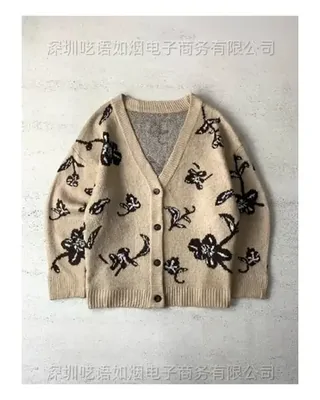
When a card stops working
Marketplace listings disappear all the time: a seller sells out, changes the link, or closes the shop. A card that leads to a removed listing is a dead card, and we would rather drop it than keep it for the count.
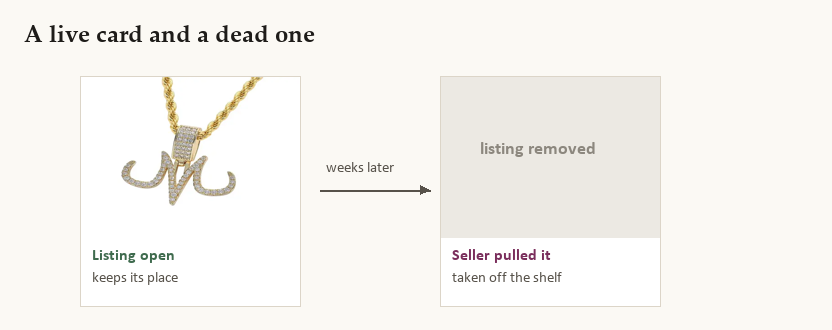
If a card leads nowhere, or the price on the listing is far from the card, write to us with the card title and the shelf. The shelves were last rebuilt on November 10, 2026.